

















Company / FAQ
Every question, in one place.
53 questions across sessions, safety, cost, and what to expect. The ones everyone asks first, then the ones specific to each program.
Start here
What everyone asks first.
Is this safe?
Yes. Non-invasive, no medication, no medical procedure. The sensors only listen; nothing is sent into the brain.
What does a session actually feel like?
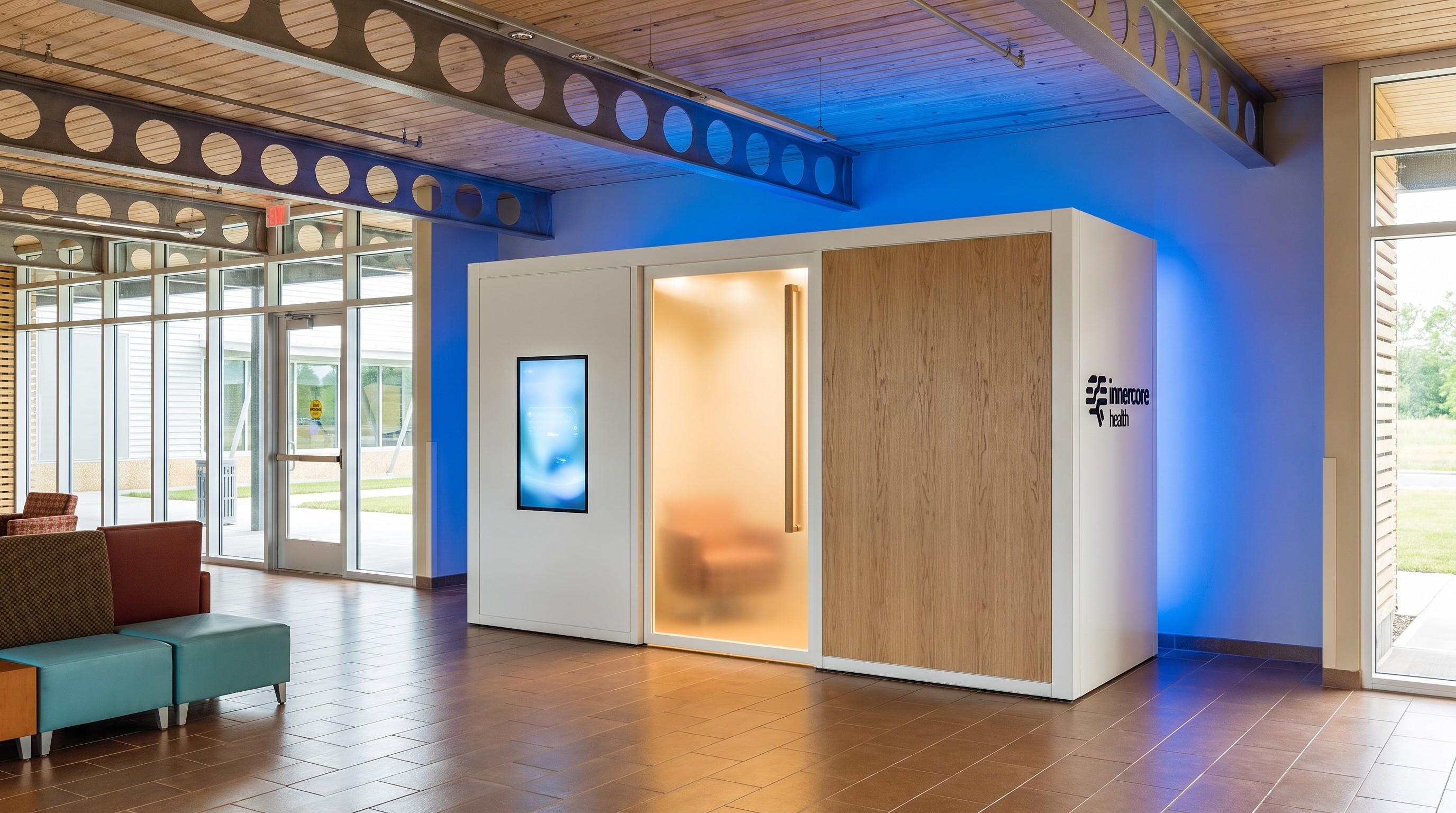
Most people find it deeply restful. Many rest or sleep through it, similar to a quiet moment in a comfortable chair. Sensors on, earbuds in, nothing to practice or get right.
How long until I notice something?
Many people notice a shift by the second session, within a short, defined course of 5 or so sessions across about 3 weeks, not an open-ended commitment.
What does this cost, and is it covered by insurance?
Cost depends on the course that's right for you, or for organizations, on the partnership. We'll go over pricing, and whether insurance or a benefit plan can help, in your first conversation.
For You
Questions For You.
Brain Health & Wellness
Go to the pageI'm exhausted from managing my health like a second job. Is this just one more appointment?
It's a short course, 5 or so sessions across about 3 weeks, not an ongoing routine or a new daily habit to maintain. Once it's done, there's nothing left to manage.
Do I have to do anything during the session, like meditate or focus on my breathing?
No. There's nothing to practice or get right. You rest, the technology reads your brain activity and responds to it. This is built specifically for people who've already tried the active approaches and are looking for something that doesn't ask anything of them.
How is this different from a spa treatment or a relaxation app?
A spa treatment or a relaxation app delivers the same experience regardless of what's actually happening in your nervous system. This reads your own real-time brain activity and responds to it directly, backed by 15+ years of research and 14 IRB-overseen studies.
What does this cost? I've already spent a lot on wearables, supplements, and therapy.
Cost depends on the course that's right for you, and it's a short, defined course, not an open-ended commitment. We'll go over pricing in your first conversation.
Women & Wellness
Go to the pageHow much time does this actually take? I don't have room for one more thing.
A short assessment, then 5 or so sessions of about 40 to 55 minutes each, across about 3 weeks. Not a new standing commitment stacked on top of everything else you're already managing.
I'm exhausted from researching and trying things that don't work. Why is this different?
This isn't one more supplement stack or protocol to manage on your own. It reads your own real-time brain activity and responds to it directly, there's no trial-and-error regimen to maintain, no new routine to remember.
Does this actually understand what's happening to me hormonally, or is it generic stress advice?
This is built around your brain and autonomic nervous system's real response to hormonal shifts, postpartum or perimenopausal, not a generic stress-management approach with your symptoms layered on top.
Is this actually going to help, or is it another "wellness" thing that doesn't take this seriously?
We know that fear is real, and it's earned. This is built on 15+ years of research and 14 IRB-overseen studies, with hormone-related dysregulation already among the conditions studied, not a wellness trend retrofitted to your symptoms after the fact.
Students
Go to the pageWhat does this cost, and is it covered by student fees, insurance, or a campus partnership?
Cost depends on the course that's right for you and on any campus partnership. We'll go over pricing, and whether insurance or your school can help, in your first conversation.
I already don't have enough hours in the day. How is this not one more thing?
A short assessment, then 5 or so sessions of about 40 to 55 minutes each, scheduled around your actual class and exam calendar. Not months of appointments, not a new daily habit to maintain.
Is this just another campus wellness thing, or does it actually do something?
This isn't a stress ball or a guided breathing app. It reads your own real-time brain activity and responds to it directly, backed by 15+ years of research and 14 IRB-overseen studies, not a wellness trend.
Sleep
Go to the pageIs this instead of seeing a sleep doctor, or a substitute for treating sleep apnea or another diagnosed condition?
No. This addresses the nervous-system regulation piece of sleep difficulty, not diagnosed sleep disorders like apnea, which need their own clinical evaluation. If a diagnosed condition is in play, this is a complement to that care, not a replacement for it.
Do I need a sleep study or a diagnosis before trying this?
No. The initial assessment is a brief, sensor-based reading of your own brain activity, not a clinical diagnostic step. No prior diagnosis is required to start.
How is this different from a sleep app or melatonin?
Both work around the edges, environment or a single hormone pathway. This reads your own real-time brain activity and responds to it directly, addressing the autonomic state underneath sleep rather than trying to nudge it from outside.
PTSD
Go to the pageDo I have to talk about what happened to me?
No. There's no requirement to describe, recount, or relive any past event, at any point. The technology reads your real-time brain activity and reflects it back as sound, you rest.
Is this a diagnosis or a clinical evaluation?
No. This isn't a diagnostic tool and doesn't produce a clinical record. If you're working with a therapist or clinician already, this is designed to complement that care, not replace or interfere with it.
Is this instead of therapy or medication I'm already using?
No. It's designed to work alongside existing clinical, behavioral, or medication-based care, not as a replacement for it.
Chronic Stress
Go to the pageI've already tried meditation, therapy, and supplements. Why would this be different?
Those all ask for effort, or a baseline calm that chronic stress itself erodes. This reads your own real-time brain activity and responds to it directly, no baseline calm required to start.
Do I have to change anything about my life or routine for this to work?
No. There's nothing to practice, no lifestyle change required as a prerequisite. The sessions are the intervention.
Is this just stress management with extra steps?
No. It reads and responds to your actual autonomic activity in real time, not a technique you perform on yourself.
POTS
Go to the pageIs this a substitute for seeing a cardiologist or autonomic specialist?
No. This is designed to complement existing cardiology or autonomic-specialist care, not replace it. If you're being actively treated or monitored, this works alongside that.
Do I need a formal POTS diagnosis before trying this?
No prior diagnosis is required to start the initial assessment, though if you have one, it's useful context to bring.
How is this different from compression garments or beta blockers?
Both manage the condition from outside the regulatory system, volume or heart rate directly. This reads your own real-time autonomic activity and responds to it, addressing the regulation itself.
Migraines
Go to the pageDoes this treat a migraine while it's happening?
No. This is regulatory support between episodes, not an abortive treatment for an active migraine. It's designed to complement, not replace, whatever you already use during an episode.
Is there real research specifically on migraines?
Not yet. The nervous-system regulation behind this is well studied for related conditions, but we don't have migraine-specific results to share, so we don't claim them.
Do I need to stop my preventive medication to try this?
No. This is designed to work alongside existing preventive or abortive medication, not require changing it.
Cardiovascular
Go to the pageIs this a substitute for blood pressure medication?
No. This is designed to complement existing cardiovascular care and medication, not replace it. Don't change or stop a prescribed medication without talking to your physician.
Is there real research specifically on blood pressure or HRV outcomes?
Not yet. The autonomic mechanism behind this is well studied, but we don't have blood pressure or HRV results to share, so we don't claim them.
How is this different from what my fitness tracker already tells me?
A tracker measures HRV and heart rate. It doesn't change what's producing those numbers. This reads your real-time autonomic activity and responds to it directly.
For Business
Questions For Business.
Employers & Workforce Health
Go to the pageHow much time does this take employees away from work?
A short assessment, then 5 or so sessions of about 40 to 55 minutes each, scheduled around a team's actual working hours, including shift rotations for 24/7 workforces. Not an extended absence; a handful of appointments across about 3 weeks.
What does this actually cost us, and what's the return?
It depends on the size of your team and how sessions are delivered. We'll go over pricing, and how to measure the return, in your first conversation.
Does this work for a distributed or hybrid workforce, or only employees near a physical location?
Sessions happen in person, but the room can come to your people: a mobile unit that travels to you, an on-site room in your own facility, or a compact room inside a gym or clinic nearby, as well as our Supersites. We'll work out what fits a distributed team in your first conversation.
Competitive Athletics
Go to the pageHow much time does this actually take out of a training schedule?
A short assessment, then 5 or so sessions of about 40 to 55 minutes each, scheduled around practice, film, and travel. Not an extended absence; a handful of appointments across about 3 weeks.
Will this read as a red flag to a coach, like something's wrong with an athlete?
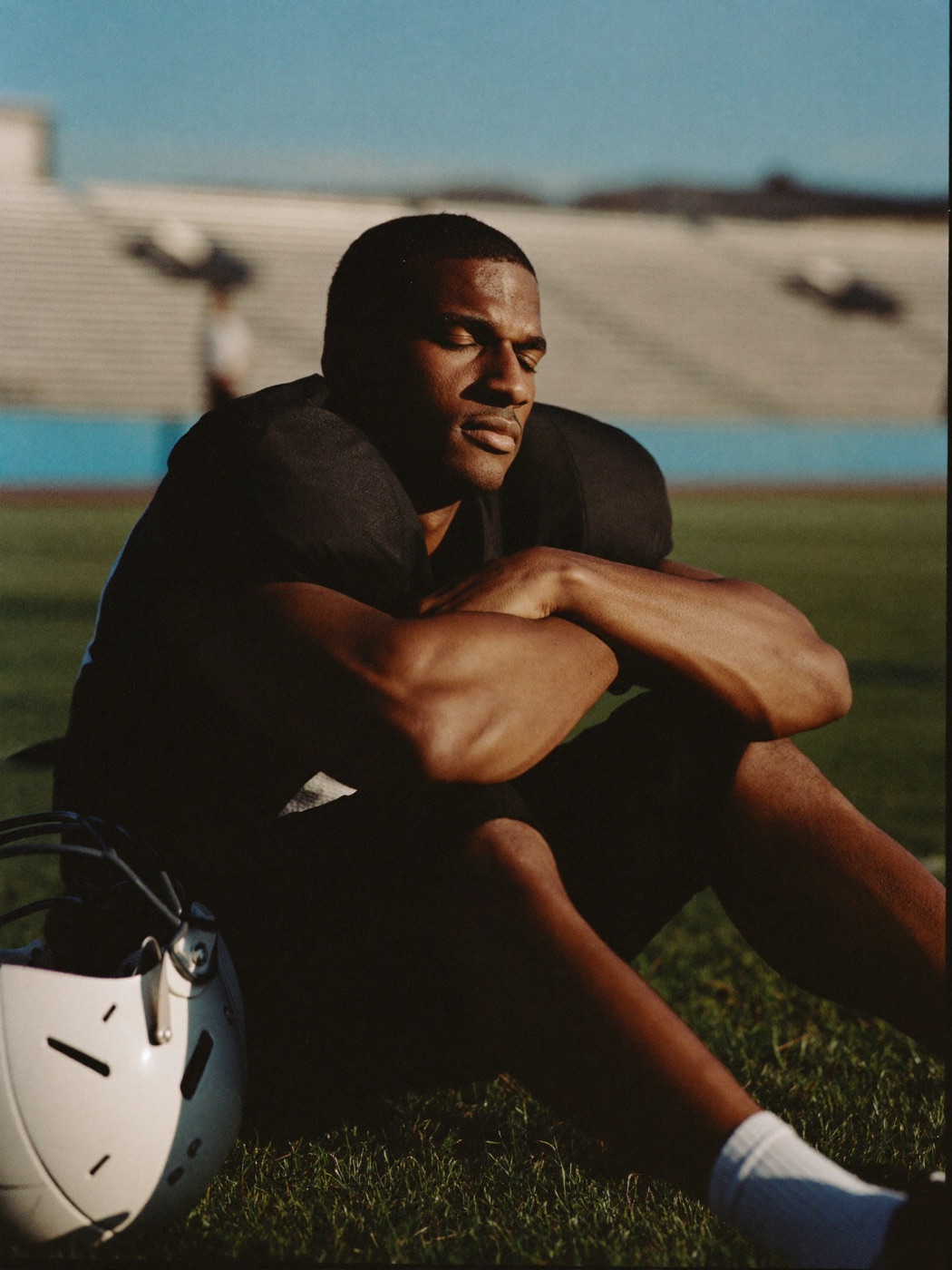
No. This isn't positioned as treatment for a problem; it's a recovery tool, the same category as sleep tracking or nutrition planning, built around what the nervous system needs to actually recover between training blocks.
What does this cost, and who covers it?
It depends on the size of your program and how sessions are delivered. We'll go over pricing and options for your program in your first conversation.
Healthcare Partnerships
Go to the pageWhat's the actual evidence behind this, not just testimonials?
15+ years of research, a named academic partnership with Wake Forest University School of Medicine, and 14 IRB-overseen studies.
Is this covered by insurance, or an out-of-pocket cost for patients?
It depends on the partnership structure. We'll go over cost and coverage for your patients in your first conversation.
Does this replace or interfere with a patient's existing psychiatric or behavioral-health care?
No. It's designed to complement existing clinical, wellness, and resilience strategies, not replace them, consistent with a stepped-care or multidisciplinary approach rather than a standalone treatment.
Military & Veterans
Go to the pageDoes this affect a security clearance, fitness-for-duty status, or personnel record?
No. Sessions are private, between Innercore and the individual. This isn't a medical or psychiatric evaluation, and nothing about it is reported to a command, a unit, or a records system.
Is this a form of therapy? Do I have to talk about what happened?
No. There's no requirement to describe, recount, or relive any past event. The technology reads real-time brain activity and reflects it back as sound; the person rests. It can complement therapy or other clinical care, but it isn't a substitute for it and doesn't function like one.
How is this different from what the VA, or a base clinic, already offers?
This isn't positioned to replace VA or clinical care, and it doesn't require leaving it. It's designed to complement existing clinical, behavioral, and wellness support, addressing the regulation underneath sleep, focus, and emotional control directly, alongside whatever care is already in place.
What does this cost, and is it covered?
It depends on the partnership structure. We'll go over cost and coverage in your first conversation.
First Responders
Go to the pageIs this confidential? Does anything go into a personnel record?
Sessions are private, between Innercore and the individual. Nothing here feeds into a fitness-for-duty evaluation or a department's records.
Does this actually understand the job, or is it a generic wellness program?
This isn't a general wellness seminar. The technology addresses the same nervous-system patterns that show up in high-stress, shift-based work: the conditioning, the interrupted sleep, the difficulty powering down.
How much time does this take out of a rotation?
A short assessment, then 5 or so sessions of about 40 to 55 minutes, scheduled around a department's rotation. Not months off duty. A handful of appointments across about 3 weeks.
Is this covered, or is it an out-of-pocket cost?
It depends on the partnership structure. We'll go over cost and coverage in your first conversation.
Technology
Questions about Technology.
Technology
Go to the pageIs this hypnosis, or some kind of trance?
No. The person stays fully aware throughout. Nothing is suggested or induced. The brain simply hears an accurate reflection of its own activity.
Isn't this the same as white noise or a relaxation track?
No. White noise plays the same thing regardless of who's listening. This technology reads a person's own real-time brain activity and reflects it back, second by second. Nobody else's session sounds like this one.
Do I need to concentrate, or do it "right"?
No. There's no task, no target, no way to do it wrong. The brain moves only if and when it's ready to.
Still have a question?
Request more information or schedule an initial assessment. We are happy to answer your questions.