












Still on alert, long after the threat is gone.
A car backfires and your body reacts before your mind catches up. You check the locks twice. It's a nervous system still running a threat response after the moment has passed.

The problem
A threat response that never got the signal to stand down.
After trauma, a nervous system can get stuck on high alert, quick to trigger and slow to rest, long after the danger has passed. It shows up as hemispheric imbalance in the brain's activity, not a failure to move on.
See more about the science
Your autonomic nervous system decides, largely without your conscious input, when to mobilize for a threat and when it's safe to stand down. When that system stays calibrated for danger long after the actual danger has passed, the body remains activated regardless of what the conscious mind knows to be true. This is why willpower-based calming techniques often can't reach it, they're addressed to the conscious mind, not the autonomic pattern actually running the alert state.
How it works
A reflection, not a directive.
Exposure therapy and EMDR ask you to revisit what happened, on purpose. Medication changes brain chemistry broadly. Both are real approaches. This is different: nothing to recount, nothing chemical, just a real-time reflection of your own brain activity.
A nervous system runs on two settings: sympathetic (alert) and parasympathetic (rest and repair). A few sensors read your brain's activity in real time and play it back to you as sound. There's nothing to recount or relive. That reflection gives your brain what it needs to recalibrate itself.
Non-invasive. No medication, no medical procedure, no exposure protocol of any kind. You rest.
See the mechanism
Reads brain electrical activity through a small number of patented sensors that are more sensitive than EEG sensors in a hospital. Converts dominant frequencies and hemispheric-balance data into audible engineered tones, near-real-time. No electrical, magnetic, or chemical input introduced at any point in the loop. No requirement to describe, recount, or relive any past event.
Not this
What this isn't.
Not exposure
Not exposure therapy.
You never have to recount or relive anything.
Not a pill
Not medication.
Nothing enters your body.
Not a label
Not a diagnosis or an evaluation.
Nothing here labels or records anything about you.
Not a replacement
Not a substitute for clinical care, if that's already part of your path.
This works alongside it.
The research
Built on research, not a wellness trend.
Years of research
15+
A 15-year collaboration with the Brain Body Research Program at Wake Forest University School of Medicine.
IRB-overseen studies
14
PTSD-related symptoms are directly among the conditions shown to improve.
Sessions in a course
5 or so
Across about 3 weeks. Not an ongoing routine.
Medication
0 mg
Nothing enters your body. No medical procedure. You rest.
Studies conducted through Wake Forest University School of Medicine.

The course
The course, start to finish.
What a session addresses, from the first visit on.
A few minutes
A short assessment, not an evaluation
A few sensors, a few minutes. Nothing here functions as a diagnosis or a clinical assessment of your condition.
40-55 minutes
The session
Private, roughly 40 to 55 minutes. Most people rest or sleep.
5 or so sessions
A short course, not an open-ended commitment
Typically 5 or so sessions across about 3 weeks, with optional tune-up sessions afterward.
Zero exposure
No exposure, ever
There's nothing to actively do or revisit, at any point in the process.

What changes
Third session. Reclined, sensors on, sound in your ears.
Nothing to describe, nothing to remember on purpose. Afterward, a door slams somewhere down the hall. You notice it. You don't brace for it. That's the whole difference: not forgetting what happened, just no longer living like it's still happening.
- Measuring a reaction instead of being run by it
- A door slamming, a loud noise, a sudden movement, registering as ordinary instead of a threat
- Sleep that isn't interrupted by a nervous system standing guard all night
- Feeling like yourself again, not just managing symptoms day to day
Beyond one condition
A threat response that shows up beyond a single diagnosis.
Who this tends to show up for.

Military & Veterans
PTSD-related symptoms are one of this vertical's own named research outcomes, and the no requirement to relive what happened framing is already central to that page.
Explore
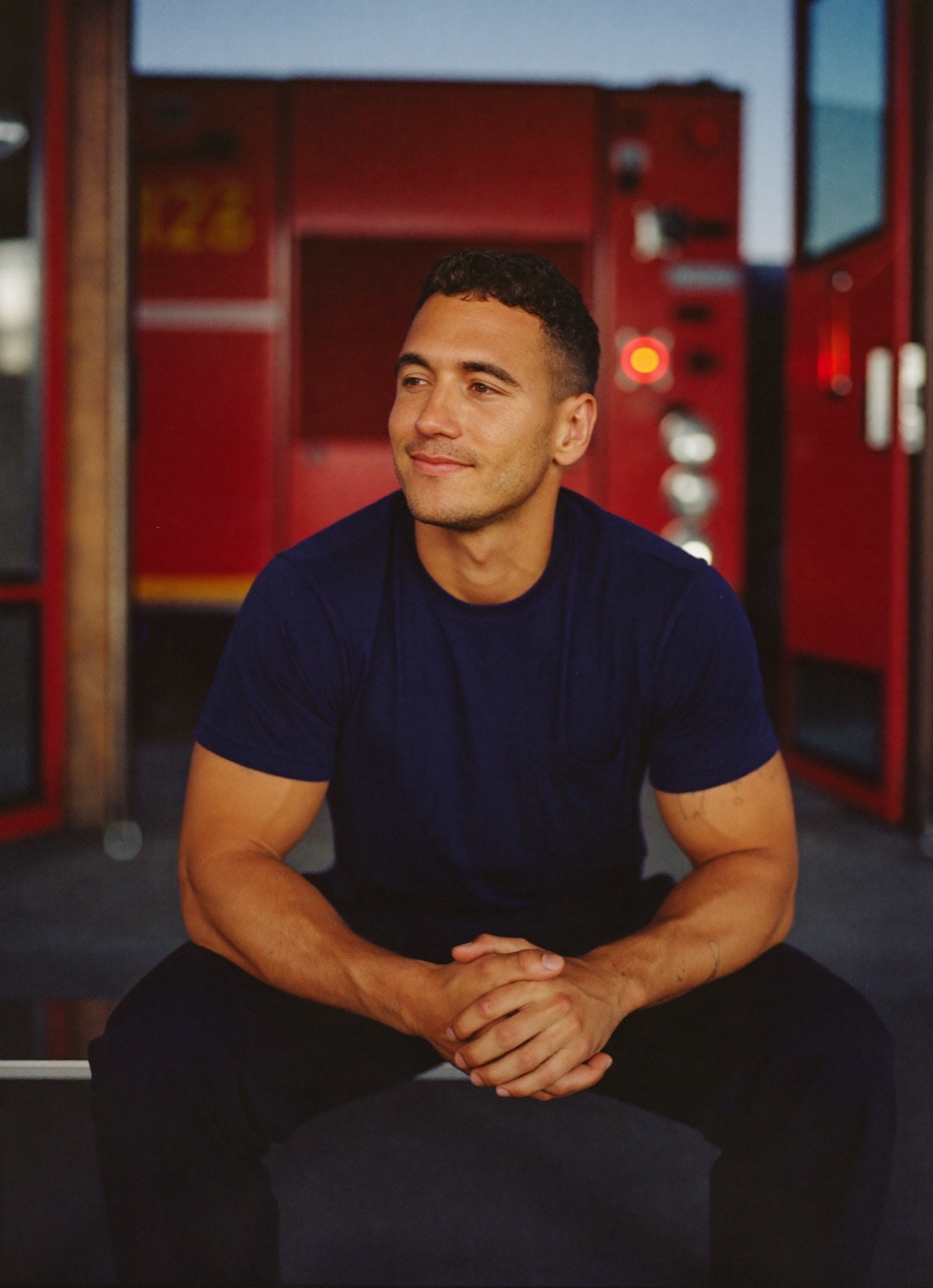
First Responders
Cumulative, repeated exposure to traumatic calls is that vertical's own named primary stress load.
Explore
Common Questions
Are you wondering?
A few things people ask before their first session.
Do I have to talk about what happened to me?
No. There's no requirement to describe, recount, or relive any past event, at any point. The technology reads your real-time brain activity and reflects it back as sound, you rest.
Is this a diagnosis or a clinical evaluation?
No. This isn't a diagnostic tool and doesn't produce a clinical record. If you're working with a therapist or clinician already, this is designed to complement that care, not replace or interfere with it.
Is this instead of therapy or medication I'm already using?
No. It's designed to work alongside existing clinical, behavioral, or medication-based care, not as a replacement for it.
Is this safe?
Yes. Non-invasive, no medication, no medical procedure. The sensors only listen; nothing is sent into the brain.
What does a session actually feel like?
Most people find it deeply restful. Many rest or sleep through it, similar to a quiet moment in a comfortable chair. Sensors on, earbuds in, nothing to practice or get right.
How long until I notice something?
Many people notice a shift by the second session, within a short, defined course of 5 or so sessions across about 3 weeks, not an open-ended commitment.
What does this cost, and is it covered by insurance?
Cost depends on the course that's right for you, or for organizations, on the partnership. We'll go over pricing, and whether insurance or a benefit plan can help, in your first conversation.
Start standing down from the inside out.
Not exposure therapy, not medication, not a diagnosis. A short, private course built around what your nervous system needs to actually stand down.