










Recovery is part of the program, not a break from it.
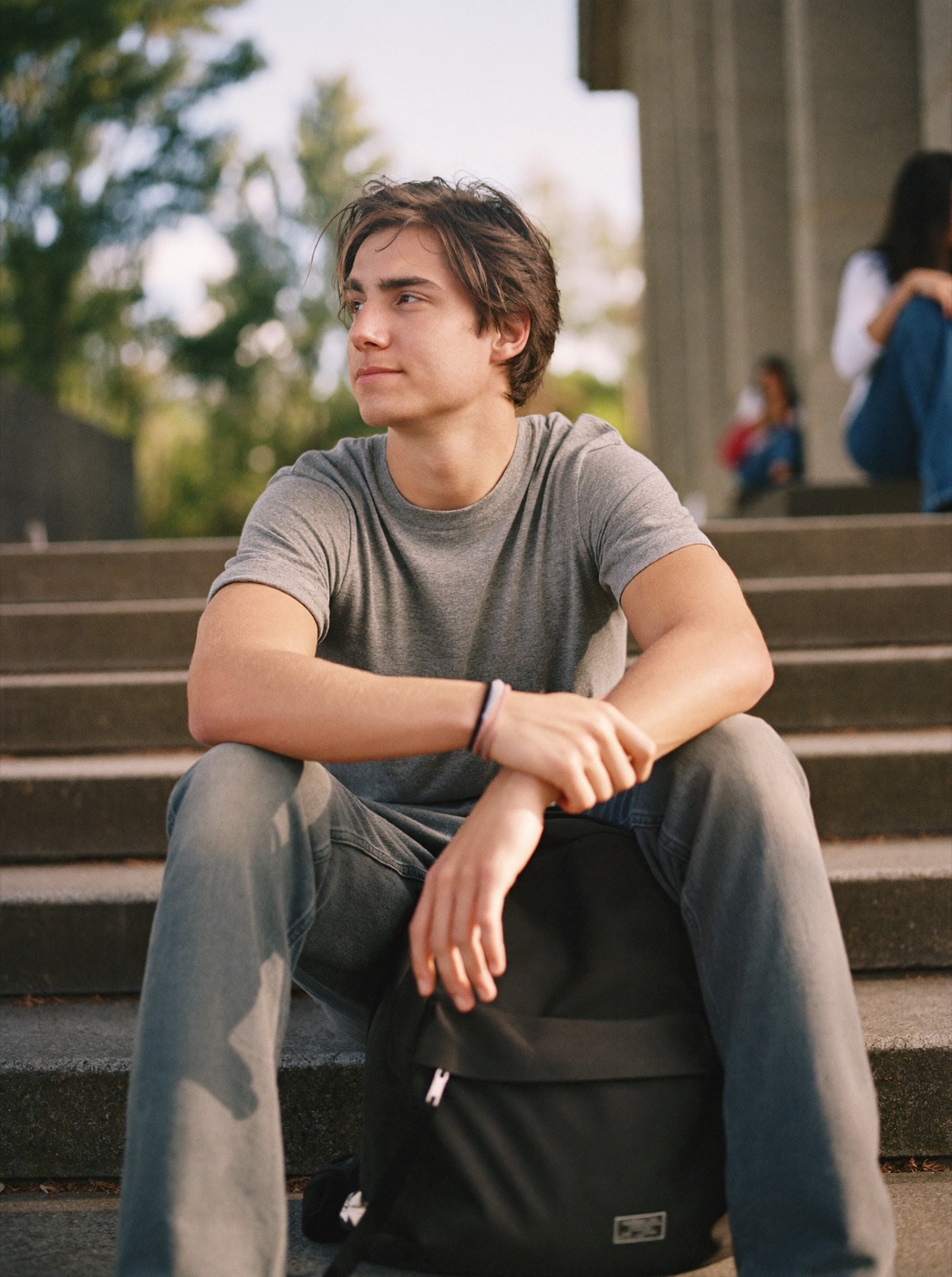
Student-athletes train every system except the one that runs recovery. Thirty-plus hours a week on top of a full course load leaves the nervous system no room to downshift.
The problem
The training block isn't the bottleneck.
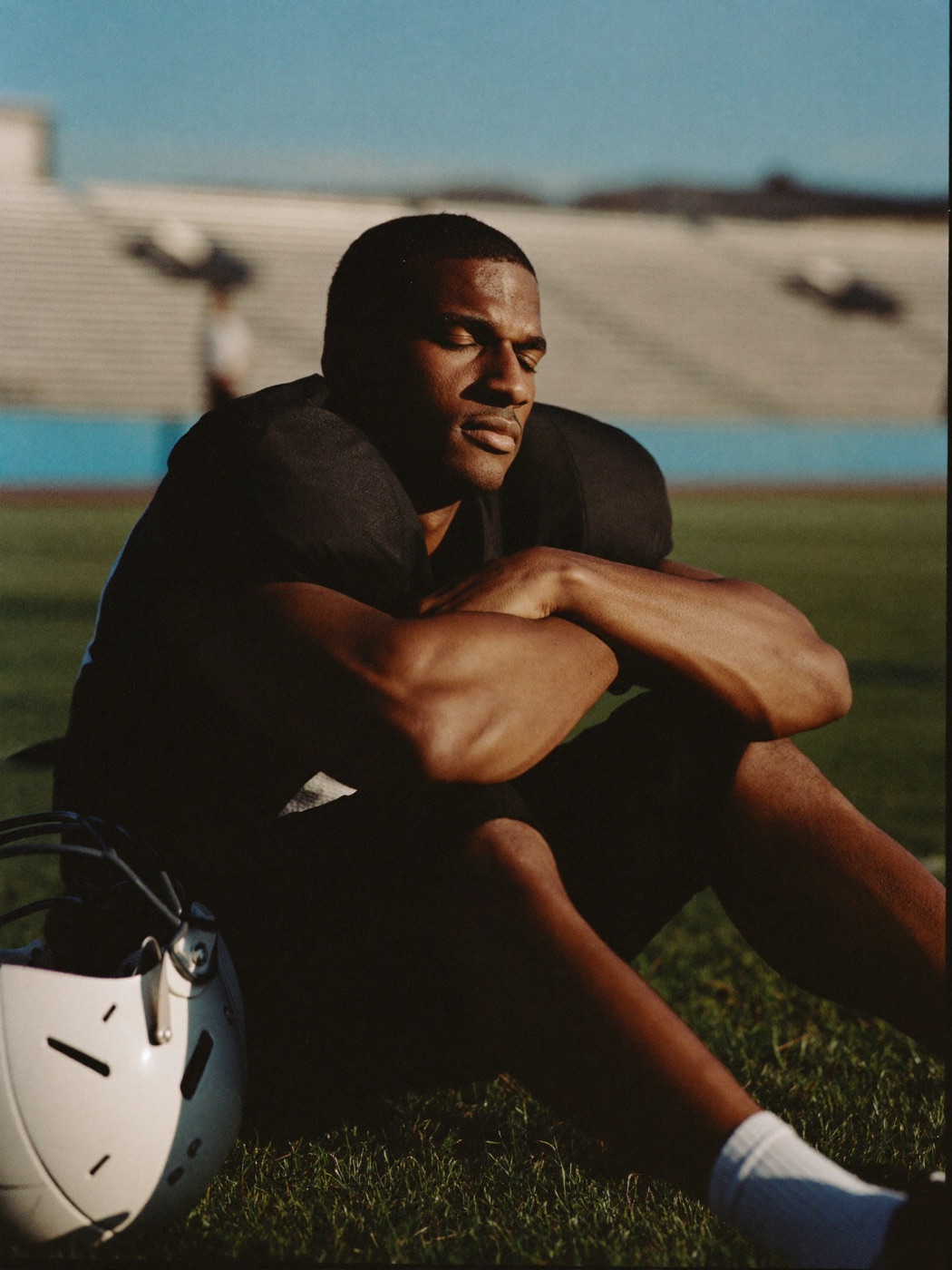
Thirty to forty-plus hours a week on athletics, a full course load, scholarship pressure, and the quiet fear that one injury ends the identity built around the sport. Athletes describe it physically: a fried CNS, dead legs, feeling overcooked, losing an edge that used to come easily.
These aren't separate problems to manage with more ice baths or a stricter sleep schedule. The training block isn't the bottleneck. The nervous system running underneath it is.
How it works
A reflection, not a directive.
A nervous system runs on two settings: sympathetic (alert) and parasympathetic (rest and repair). Training keeps athletes in the first for hours a day. Recovery that shows up in performance needs the second, and an ice bath or a rest day rarely gets there alone.
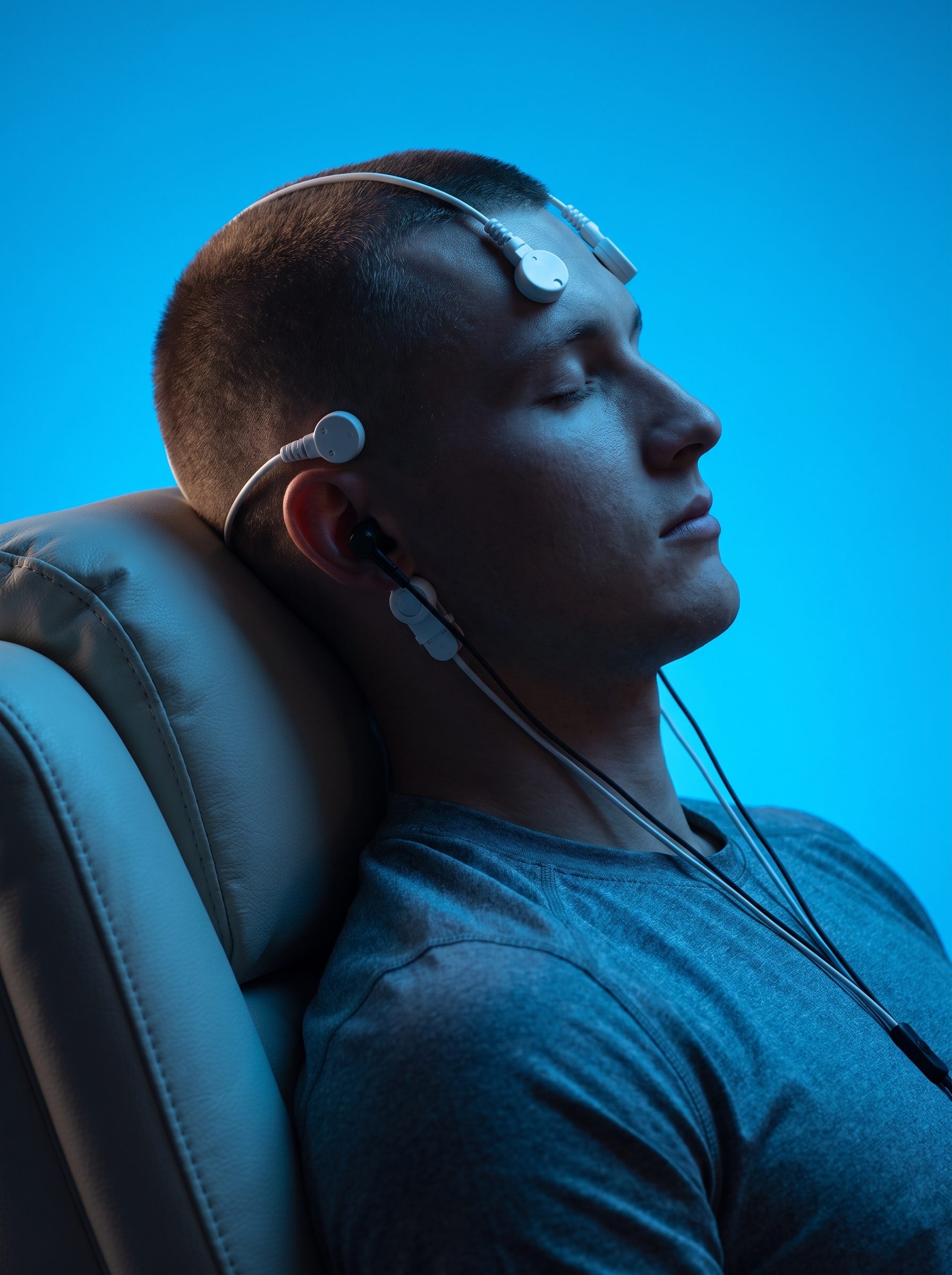
A few sensors read a person's brain activity in real time and play it back as sound, shifting as the brain shifts. There's nothing to do, no drill, no script. Hearing that accurate reflection gives the brain what it needs to recalibrate itself.
Non-invasive. No medication, no medical procedure. The athlete rests.
See the mechanism
Reads brain electrical activity through a small number of patented sensors that are more sensitive than EEG sensors in a hospital. Converts dominant frequencies and hemispheric-balance data into audible engineered tones, near-real-time. No electrical, magnetic, or chemical input introduced at any point in the loop.
See more about the science
Training and competition mobilize the body, raising alertness and adjusting cardiovascular, respiratory, hormonal, and metabolic activity to meet the demand. Healthy regulation includes the ability to shift back out of that state once training or competition ends. Sustained volume without a corresponding shift back keeps the system running hot between sessions, which is a regulatory pattern, not a conditioning gap.
The research
A research foundation broader than one sport.
Studied populations already include athletes, alongside military, healthcare, and emergency-response populations facing comparable physical and cognitive load.
Years of research
15+
A 15-year collaboration with the Brain Body Research Program at Wake Forest University School of Medicine.
IRB-overseen studies
14
Studied populations already include athletes, alongside military, healthcare, and emergency-response populations.
Sessions in a course
5 or so
Across about 3 weeks. Not an ongoing routine.
Medication
0 mg
Nothing enters the body. No medical procedure. The athlete rests.
Studies conducted through Wake Forest University School of Medicine.
The advantage
Three things holding each other up.
The case here isn't one recovery gadget against another. Most single-purpose recovery tools can point to one of the three. This is built on all three together, which is also why the same technology already shows up across athletic, military, and healthcare populations rather than one narrow use case.
The mechanism
A mechanism broad enough.
Supports sleep, focus, and physical recovery at once rather than training toward one narrow target.
The research base
More than 15 years at an academic medical center.
A research base spanning more than 15 years at an academic medical center.
The relationships
The institutional relationships.
The ones that come with that history.

The course
The course, start to finish.
What a session addresses, from the first visit on.
The assessment
A short assessment, not a new commitment
A few sensors, a few minutes. Fits inside a training schedule already built around lifting, film, and travel, not competing with it.
The session
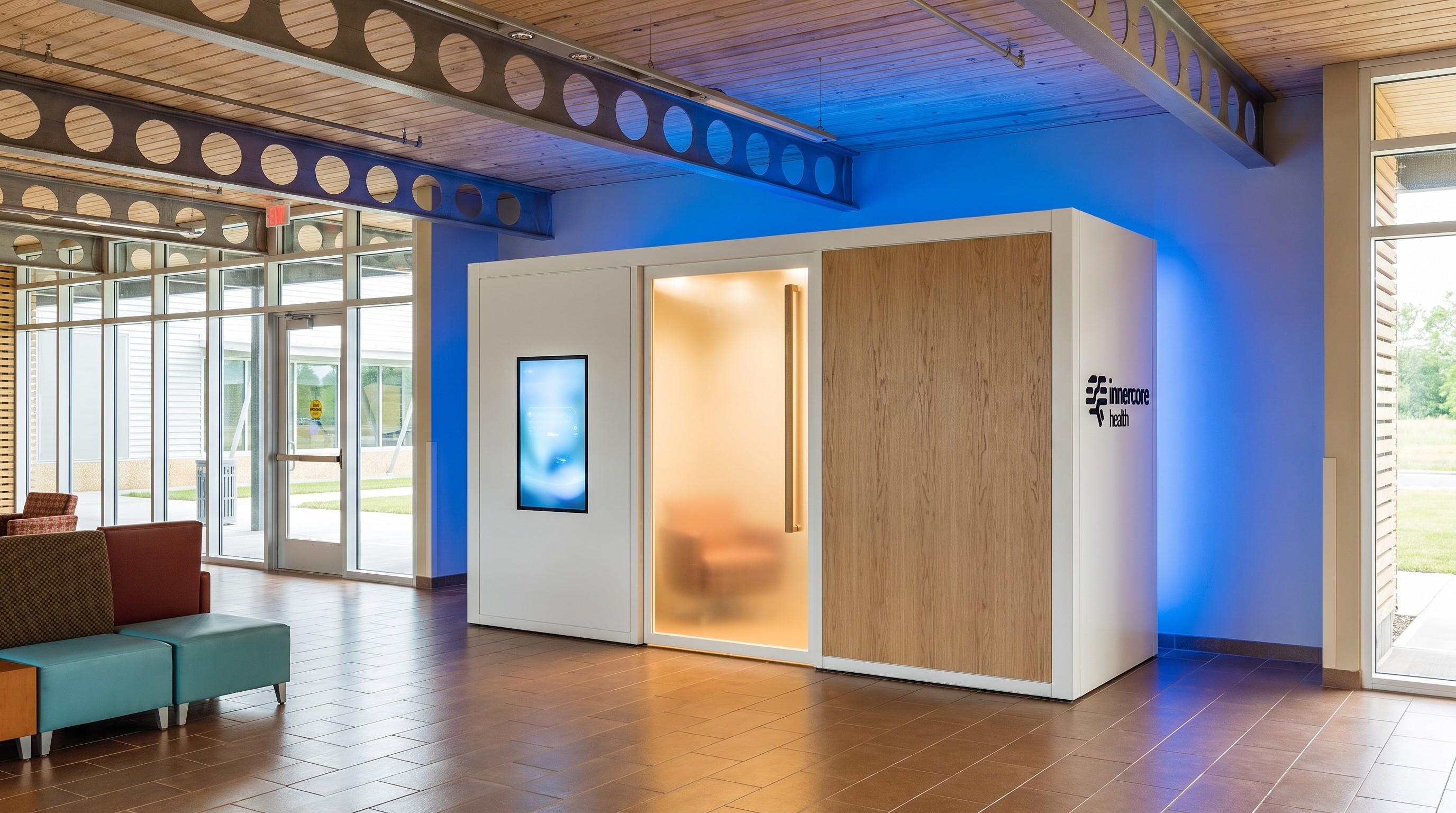
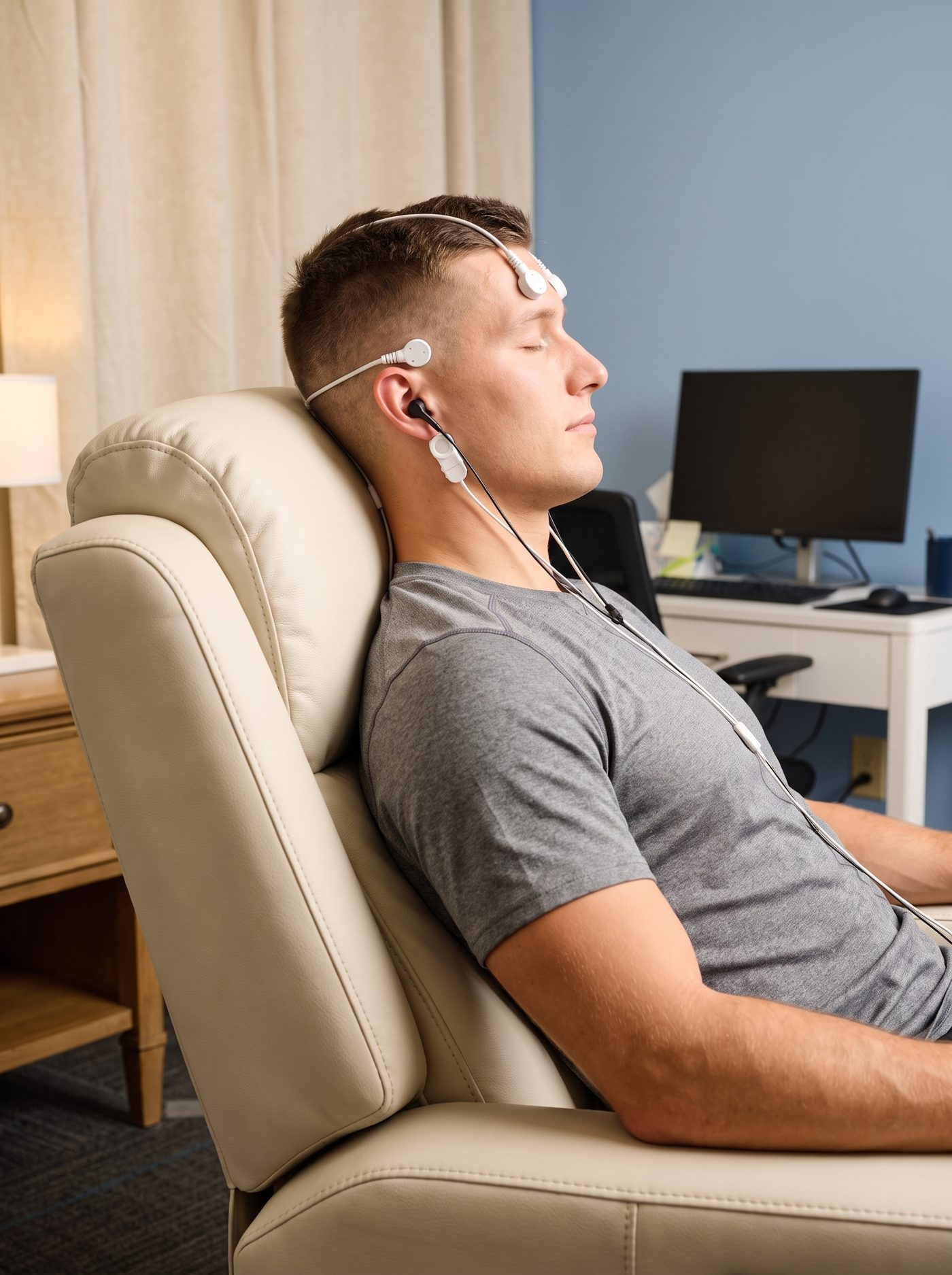
Reclined, private, 40 to 55 minutes
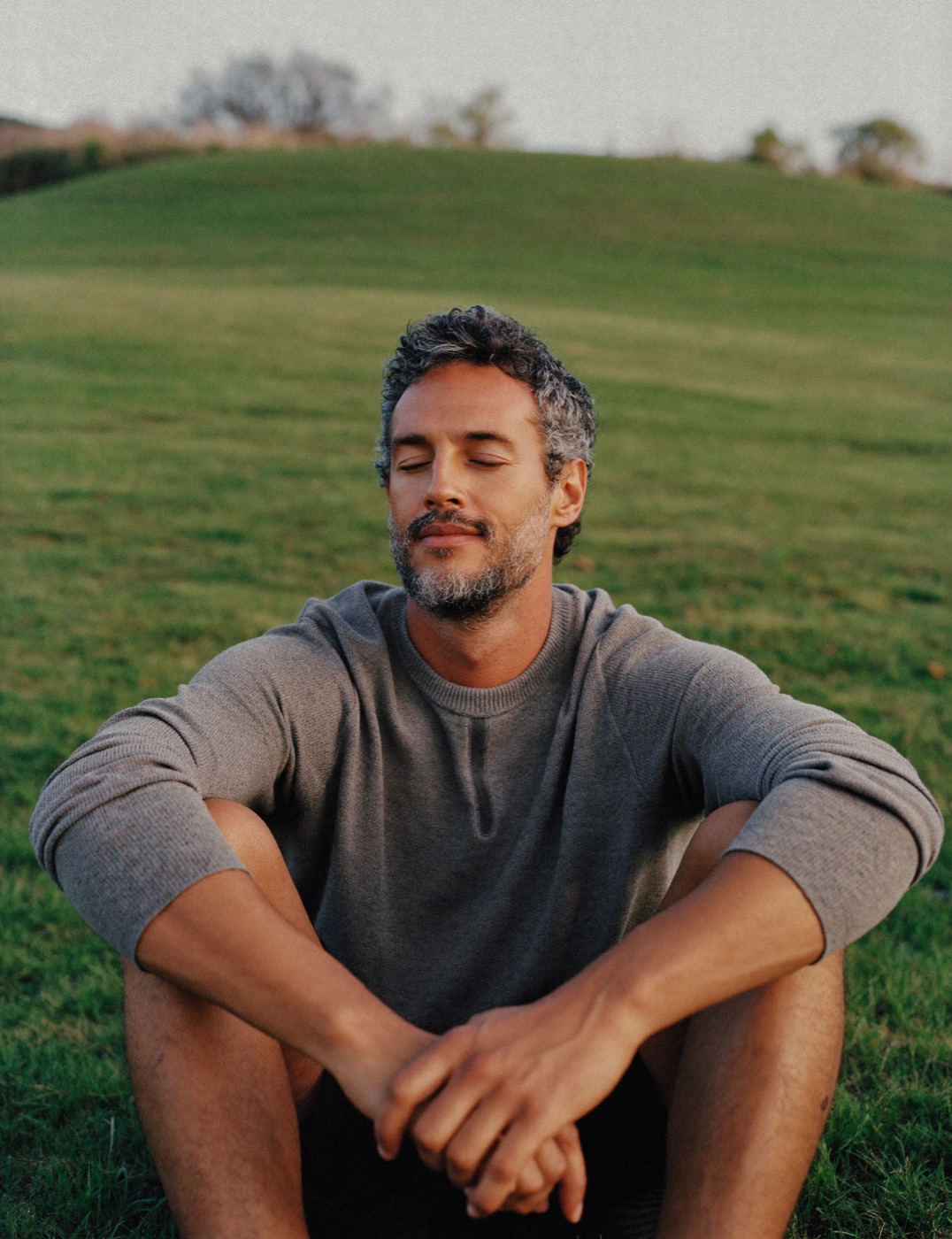
Most student-athletes rest or sleep. Nothing shared with a coach or the team; the data stays with the individual.
The course
A short course, not an ongoing time commitment
Typically 5 or so sessions across about 3 weeks, with optional tune-up sessions around a season's demands. Built to fit inside a training block, not extend it.
The session
Inside a session.
Compliance
No NCAA compliance question to work through.
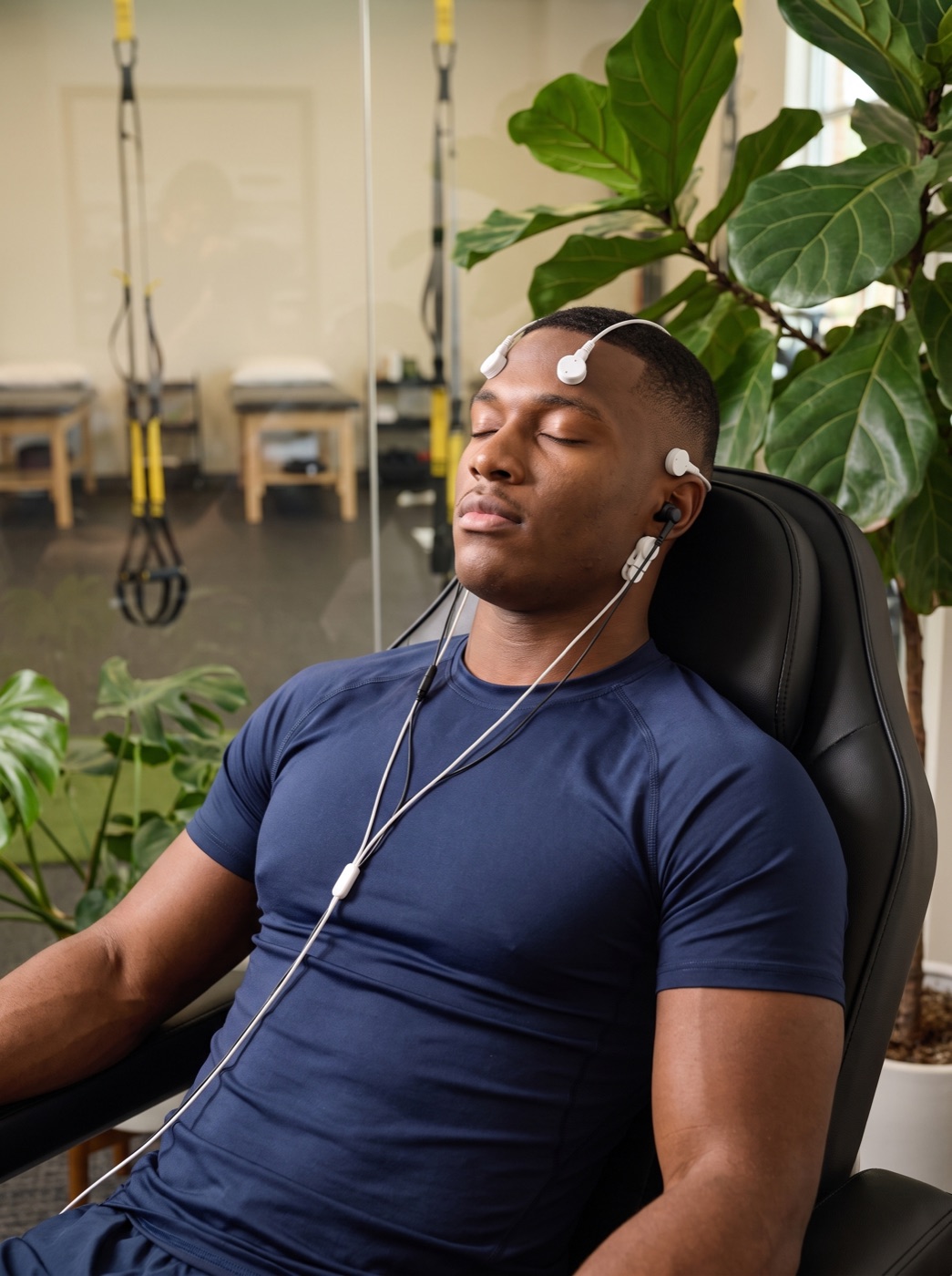
Non-invasive, no medication, no substance involved at any point. Reclined, private, roughly 40 to 55 minutes. Most student-athletes rest or sleep, and nothing is shared with a coach or the team; the data stays with the individual.
What changes
What changes.
Legs that feel fresh on the day they're supposed to. Bouncing back faster between training blocks. A clearer head going into film or an exam the same week as a meet. For the program, a recovery lever that works alongside the strength, nutrition, and sleep work already in place.
Fresh legs
Legs that actually feel fresh.
On the day they're supposed to.
Recovery
Bouncing back faster between training blocks.
Not just resting longer.
Focus
Cleared brain fog going into film review.
Or an exam the same week as a meet.
Readiness
Feeling dialed in and ready to go.
Instead of managing "overcooked" as the new normal.
The program
For the program.
A recovery lever that works alongside strength, nutrition, and sleep protocols already in place, not a replacement for any of them.
Beyond one program
Related programs.
Sleep
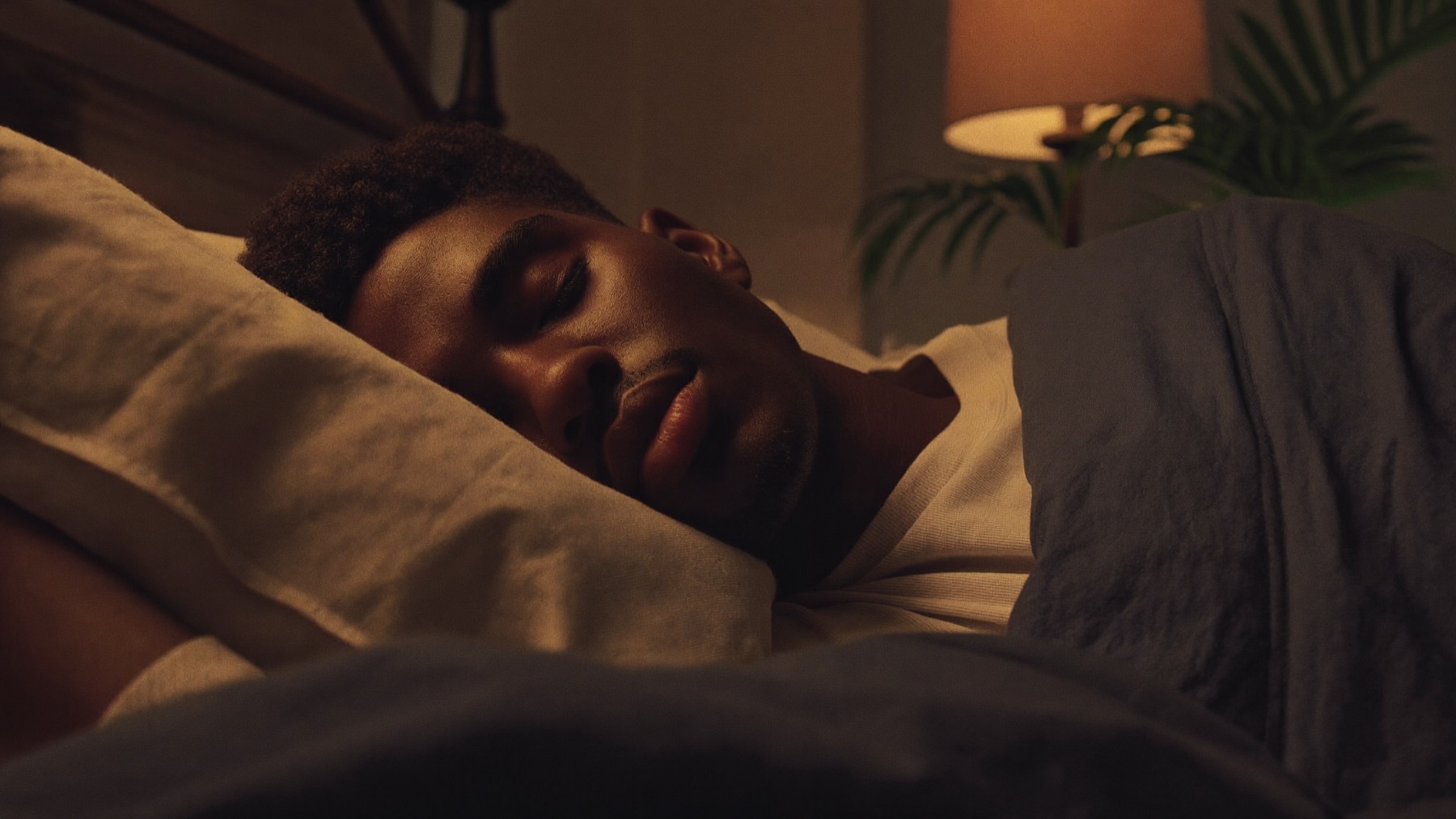
The individual-facing version of the same regulatory pattern underneath a training block's recovery windows.
Explore

Chronic Stress
The nervous-system pattern underneath a fried CNS and a lost edge, addressed at the individual level.
Explore

Employers & Workforce Health
The same regulatory approach, built for a different institution: a workforce instead of a roster.
Explore
Common Questions
Are you wondering?
How much time does this actually take out of a training schedule?
A short assessment, then 5 or so sessions of about 40 to 55 minutes each, scheduled around practice, film, and travel. Not an extended absence; a handful of appointments across about 3 weeks.
Will this read as a red flag to a coach, like something's wrong with an athlete?
No. This isn't positioned as treatment for a problem; it's a recovery tool, the same category as sleep tracking or nutrition planning, built around what the nervous system needs to actually recover between training blocks.
What does this cost, and who covers it?
It depends on the size of your program and how sessions are delivered. We'll go over pricing and options for your program in your first conversation.
Is this safe?
Yes. Non-invasive, no medication, no medical procedure. The sensors only listen; nothing is sent into the brain.
What does a session actually feel like?
Most people find it deeply restful. Many rest or sleep through it, similar to a quiet moment in a comfortable chair. Sensors on, earbuds in, nothing to practice or get right.
How long until I notice something?
Many people notice a shift by the second session, within a short, defined course of 5 or so sessions across about 3 weeks, not an open-ended commitment.
Bring regulatory recovery to your program.
Not a treatment program, and not one more thing competing for an athlete's time. A short, private course built to fit inside a training schedule already in place, designed to help student-athletes actually recover instead of just logging more rest.