
















Return to baseline.
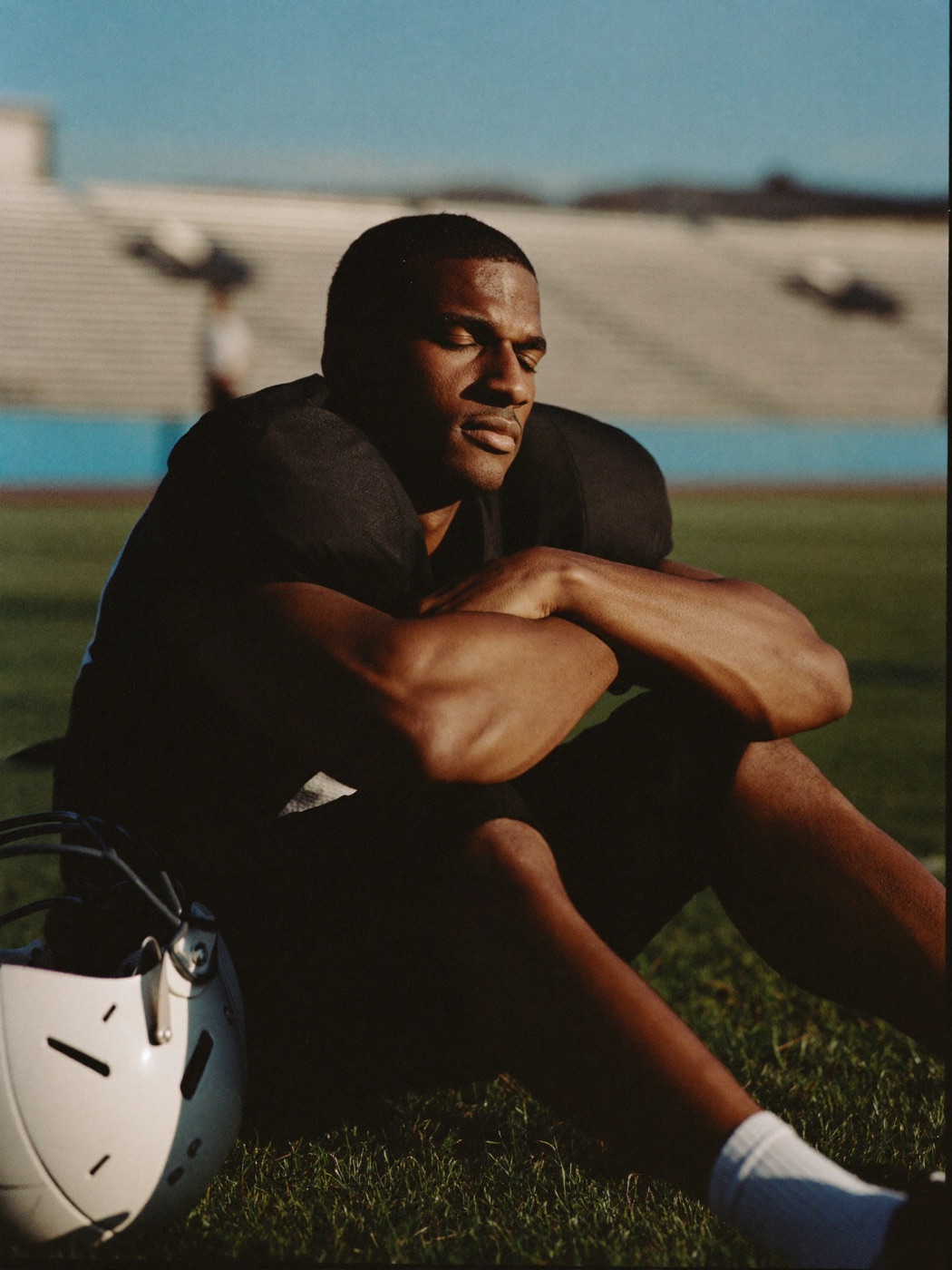
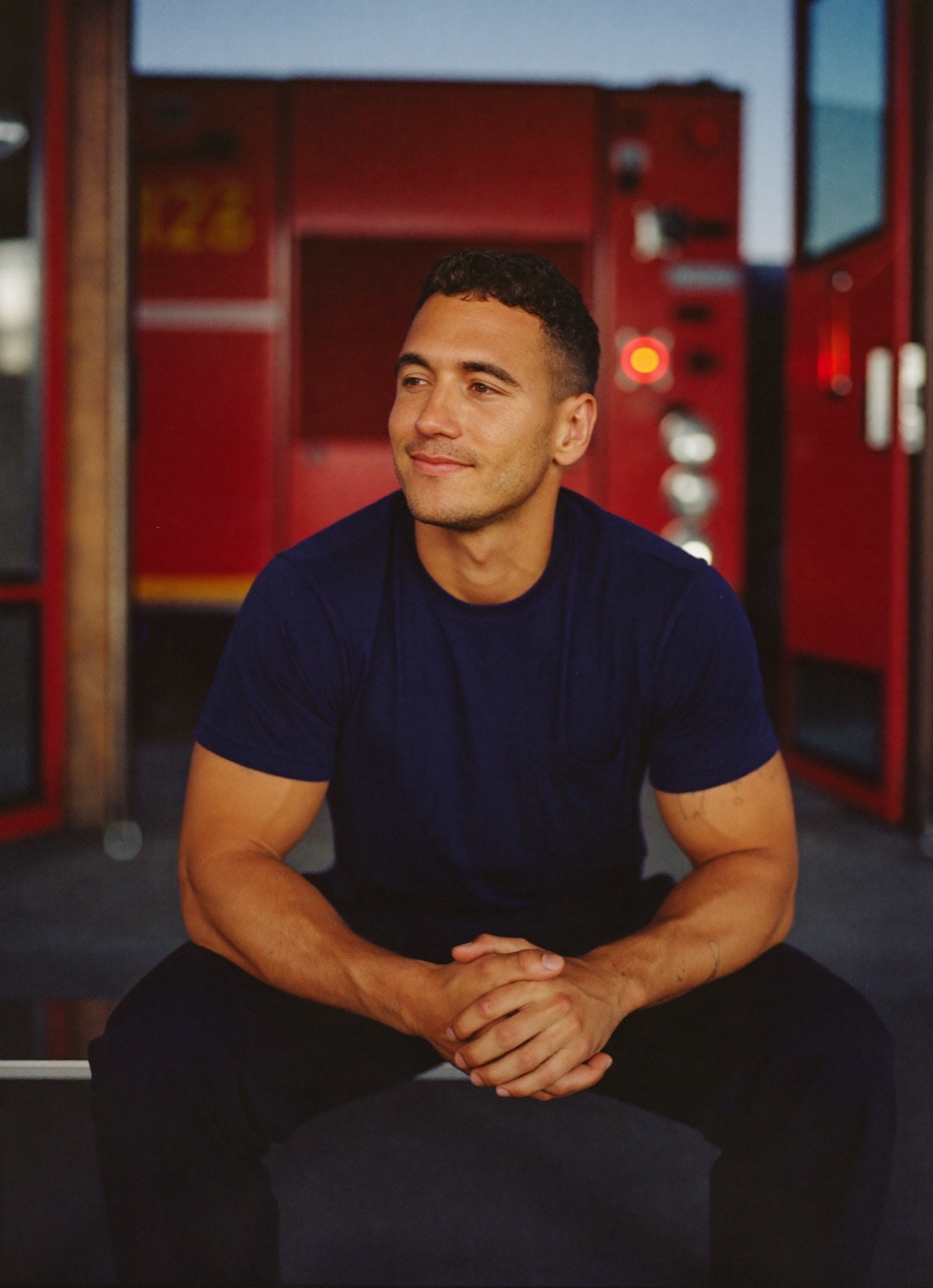
First responders carry more than the calls. Years of tone drops and broken sleep keep the nervous system switched on long after the shift ends.
The problem
One source, not separate problems.
Personnel who can't fully power down between shifts. Racing heart at the sound of an alarm, even off duty. A brain that won't quiet on a night off. The weight of hundreds of calls, compounding one rotation at a time.
These aren't separate problems to manage individually. They're downstream signals from the same source: a nervous system trained, shift after shift, to stay on alert. The same conditioning that keeps a crew sharp on scene is what keeps their bodies from ever fully standing down.
Managing each symptom on its own resets nothing before the next rotation. Addressing what's actually overloaded is what changes the pattern.
The mechanism
How it works.

A nervous system runs on two settings: sympathetic (alert, ready, on) and parasympathetic (rest, recover, repair). The job requires living in the first one for hours at a time. Recovery requires the second.
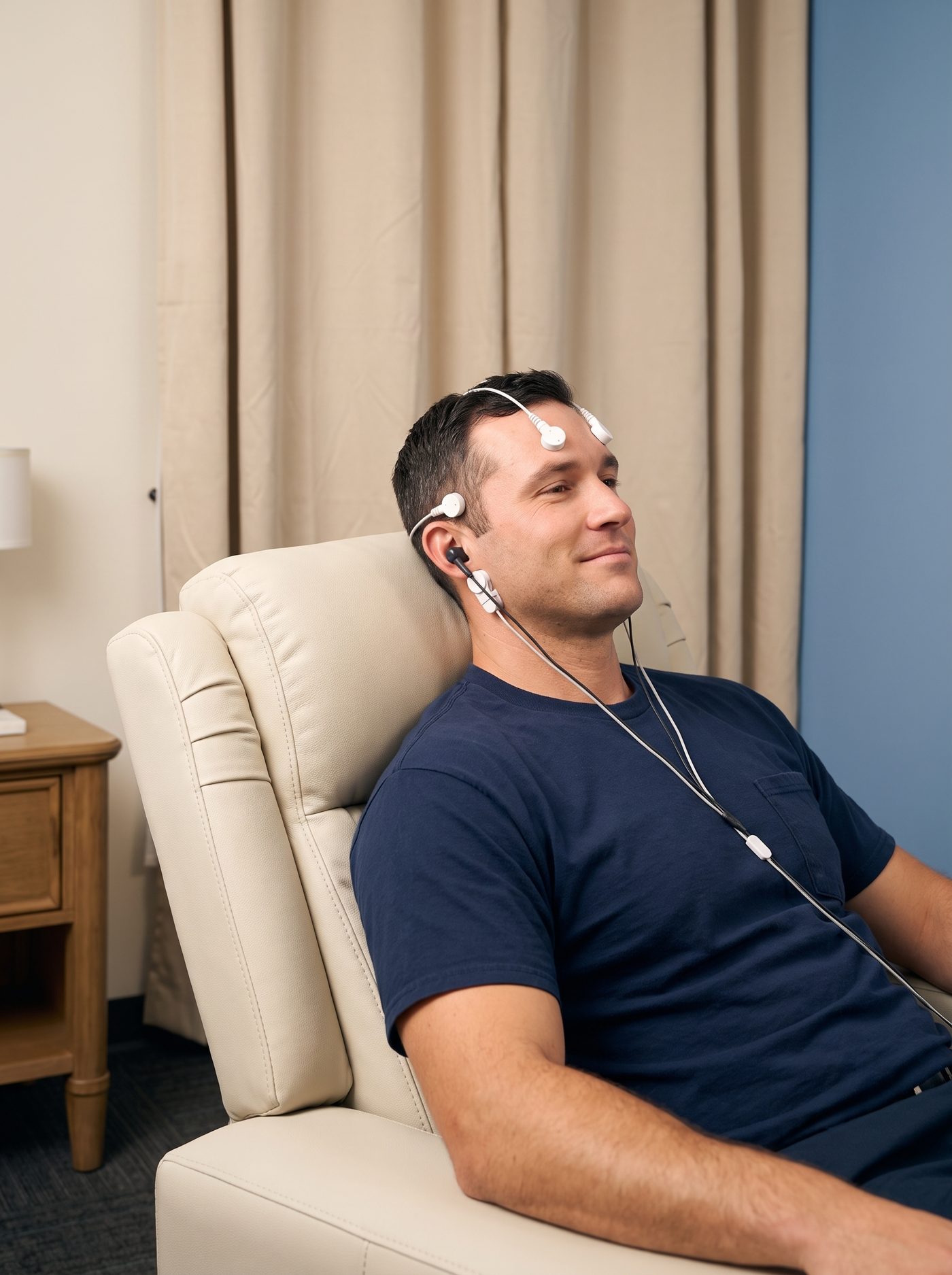
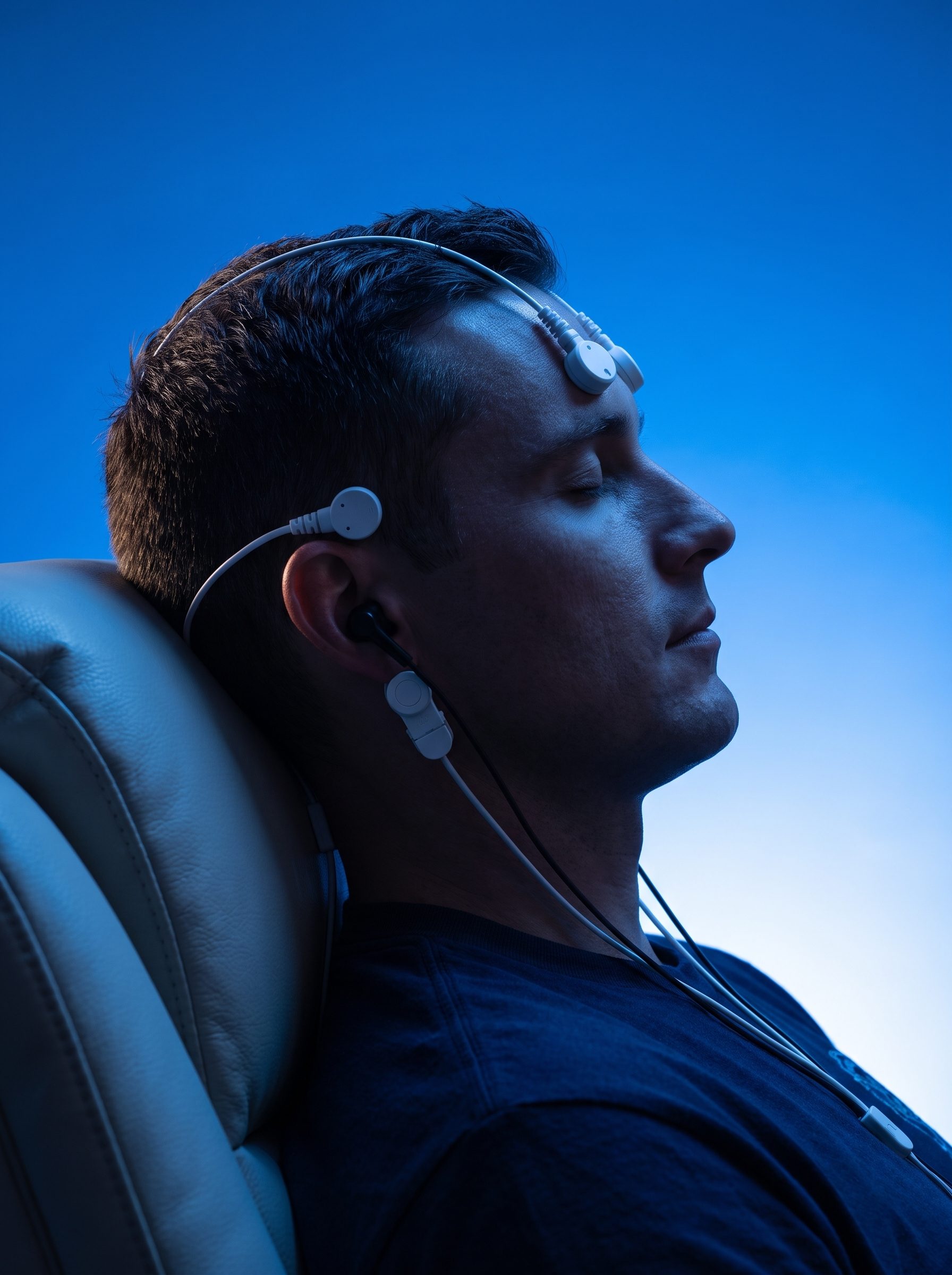
A few sensors read a person's brain activity in real time and play it back as sound, shifting as the brain shifts. There's nothing to do, no exercise, no script. Hearing that accurate reflection gives the brain what it needs to recalibrate itself.
No medication. No medical procedure. The person rests.
See more about the science
When a threat or significant demand appears, the brain rapidly mobilizes the body, raising alertness and adjusting cardiovascular, respiratory, hormonal, and metabolic activity. Healthy regulation includes the ability to shift back out of that state once the demand has passed. Years of tone drops and interrupted sleep interrupt exactly that transition, not because of a personal failing, but because the system never gets a reliable signal that the demand is actually over.
The research
A research foundation, not a wellness trend.
Several of the same high-demand, shift-based environments this vertical serves directly. This isn't a single-study pilot; it's a technology with a real research lineage behind the product being brought into a department.
Years of research
15+
A 15-year collaboration with the Brain Body Research Program at Wake Forest University School of Medicine.
IRB-overseen studies
14
Populations studied include civilians, active-duty military, emergency responders, and healthcare workers.
Sessions in a course
5 or so
Across about 3 weeks, scheduled around a 24/48 rotation.
Medication
0 mg
Nothing enters the body. No medical procedure. The person rests.
Studies conducted through Wake Forest University School of Medicine.
The advantage
Three things holding each other up.
The case here isn't one program against another vendor's pilot. Most single-purpose wellness programs can point to one of the three. This is built on all three together.
The mechanism
A mechanism broad enough.
Supports sleep, stress response, and recovery at once rather than training toward one narrow target.
The research base
More than 15 years at an academic medical center.
A research base spanning more than 15 years at an academic medical center.
The relationships
The institutional relationships.
The ones that come with that history.

The protocol
The protocol, start to finish.
What a session addresses, from the first visit on.
A few minutes
A short assessment, not an intake
A few sensors, a few minutes. No scan, no radiation, no paperwork marathon.
40-55 minutes
The session
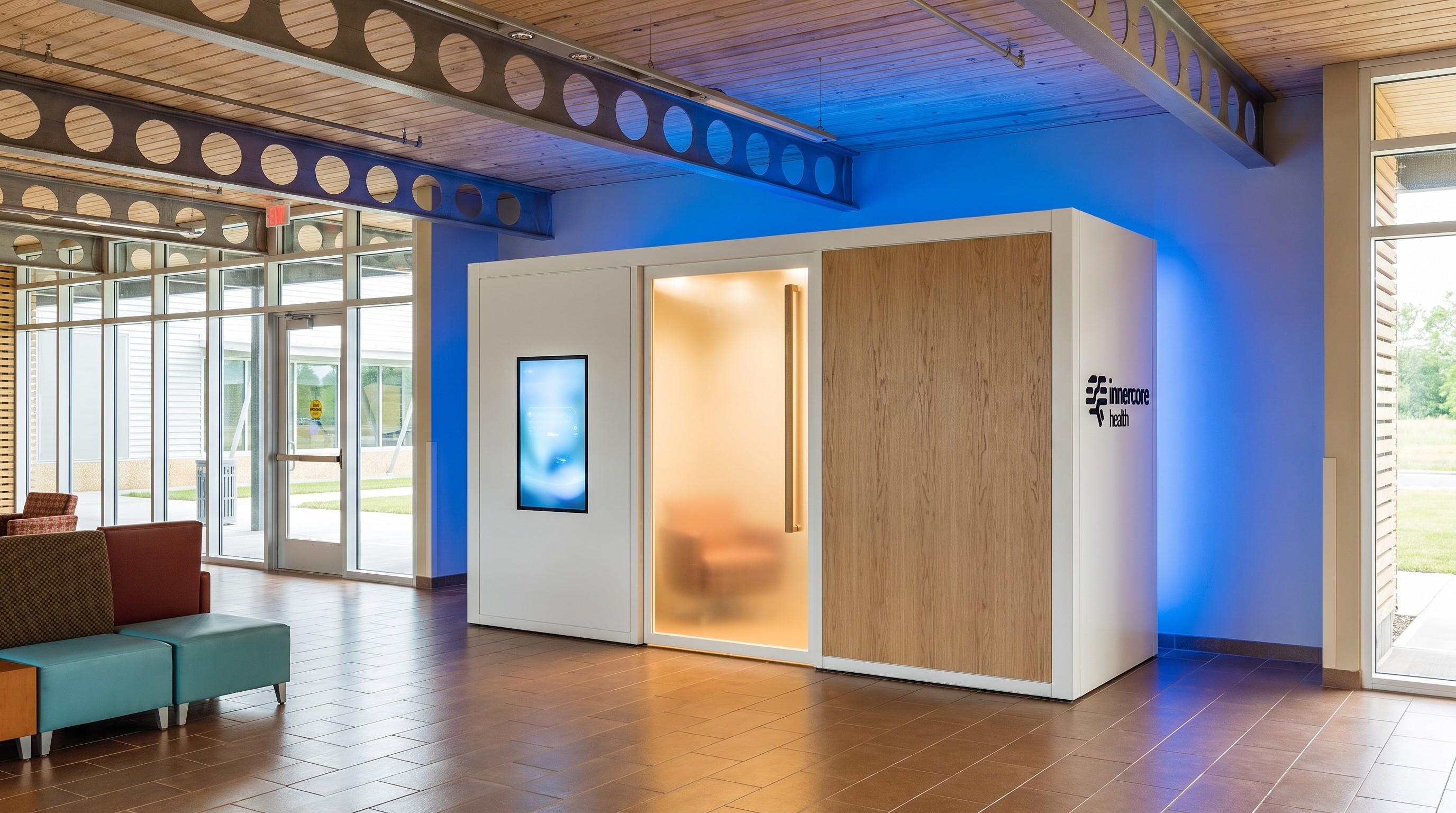
Reclined, comfortable, private. Most people doze off. Roughly 40 to 55 minutes. Nothing shared with a department, no one else in the room.
5 or so sessions
A short course, not an open-ended commitment
Typically 5 or so sessions across about 3 weeks. Most people notice a shift by the second one.
24/48 rotation
Built around the rotation
Scheduling is built around a 24/48 rotation, not a 9-to-5 week.
The session
Inside a session.
What changes
What changes.
Sleep
Actually falling asleep, and staying asleep.
Without the 3am jolt of a phantom call.
Off duty
A brain that can go quiet when the shift ends.
Instead of running the same loop on a day off.
The next call
Reacting to the next incident.
Instead of carrying the last six months of them into it.
Control
Getting back in control of one's own reactions.
On scene and off.
Themselves again
Feeling like themselves again.
Not just managing.
Common Questions
Are you wondering?
Is this confidential? Does anything go into a personnel record?
Sessions are private, between Innercore and the individual. Nothing here feeds into a fitness-for-duty evaluation or a department's records.
Does this actually understand the job, or is it a generic wellness program?
This isn't a general wellness seminar. The technology addresses the same nervous-system patterns that show up in high-stress, shift-based work: the conditioning, the interrupted sleep, the difficulty powering down.
How much time does this take out of a rotation?
A short assessment, then 5 or so sessions of about 40 to 55 minutes, scheduled around a department's rotation. Not months off duty. A handful of appointments across about 3 weeks.
Is this covered, or is it an out-of-pocket cost?
It depends on the partnership structure. We'll go over cost and coverage in your first conversation.
Is this safe?
Yes. Non-invasive, no medication, no medical procedure. The sensors only listen; nothing is sent into the brain.
What does a session actually feel like?
Most people find it deeply restful. Many rest or sleep through it, similar to a quiet moment in a comfortable chair. Sensors on, earbuds in, nothing to practice or get right.
How long until I notice something?
Many people notice a shift by the second session, within a short, defined course of 5 or so sessions across about 3 weeks, not an open-ended commitment.
Start a regulation protocol.
Not a treatment program. Not a fitness-for-duty evaluation. A short, private course, built around a department's rotation, designed to help first responders' bodies actually stand down when a shift ends.