












Stress that never actually ends.
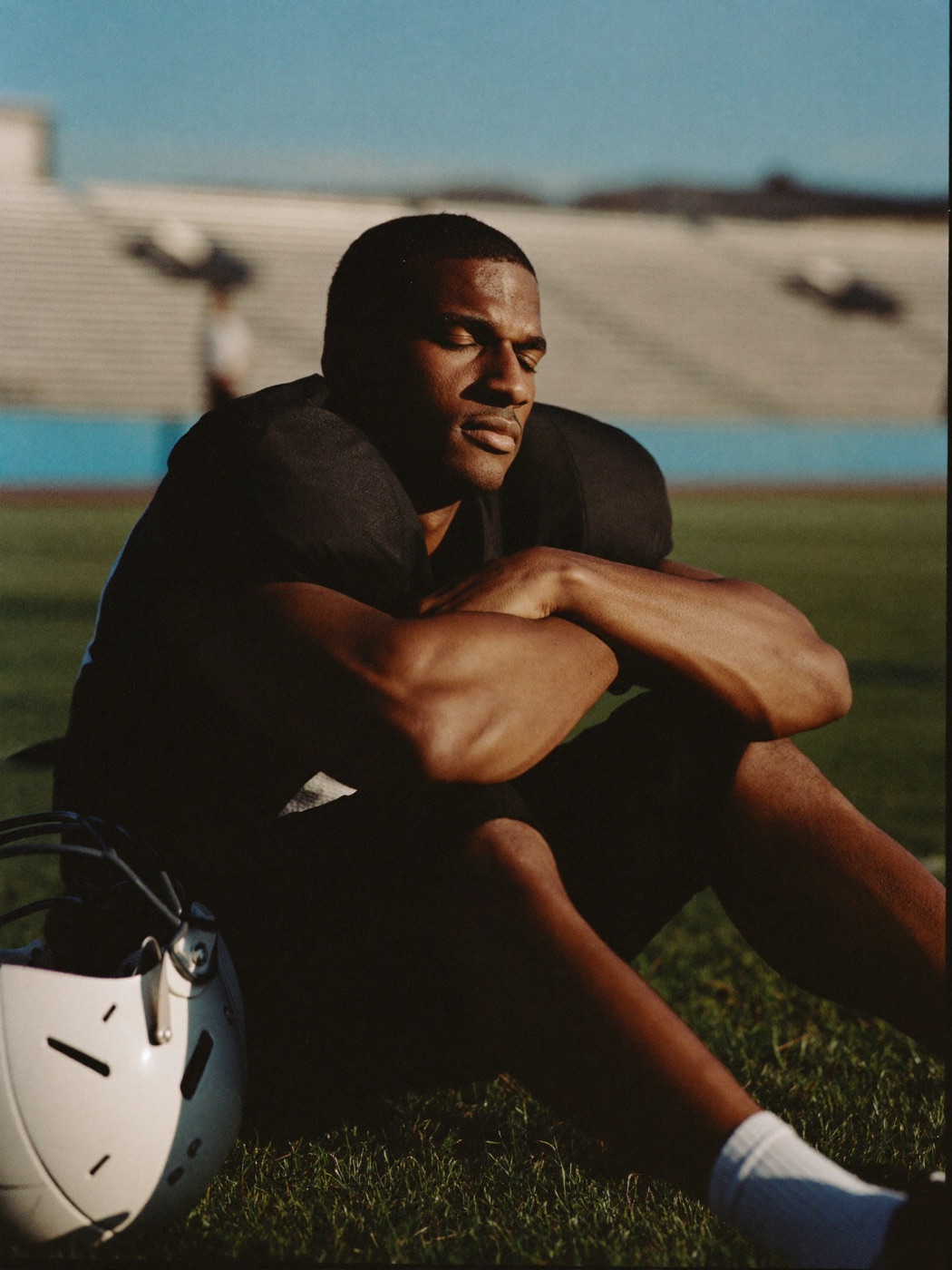
Not one bad week. A low hum running for months, maybe years, long enough that it feels like just how you are. It's a nervous system that's stopped being able to power down.

The problem
Stuck in sympathetic overdrive.
Your nervous system runs on two settings: sympathetic (alert) and parasympathetic (rest and repair). Chronic stress keeps you in the first so long that returning to the second stops happening on its own. That's why "just relax" doesn't work.
See more about the science
Your autonomic nervous system continuously adjusts your body's internal state in response to demand, deciding when to mobilize and when it's safe to rest. Chronic stress means that system rarely gets the signal it's safe to rest at all, even during objectively calm moments. The problem isn't the stressors themselves, it's a regulatory system that's lost the ability to reliably shift out of alert mode.
How it works
A reflection, not a directive.
Meditation and breathwork ask for a calm you may not have left. Supplements work on one chemical pathway. Therapy is valuable and often doesn't reach the physical stress response. None of them read your nervous system and respond in real time. This does.
A few sensors read your brain's activity in real time and play it back to you as sound, shifting as your brain shifts. There's nothing to do, no exercise, no script. Hearing that accurate reflection gives your brain what it needs to recalibrate itself.
Non-invasive. No medication, no medical procedure. You rest.
See the mechanism
Reads brain electrical activity through a small number of patented sensors that are more sensitive than EEG sensors in a hospital. Converts dominant frequencies and hemispheric-balance data into audible engineered tones, near-real-time. No electrical, magnetic, or chemical input introduced at any point in the loop.
Not this
What this isn't.
Not an app
Not a meditation app.
Nothing to practice or get right.
Not a pill
Not a supplement.
Nothing enters your body.
Not a conversation
Not talk therapy.
Nothing to discuss or work through out loud.
Not discipline
Not a willpower problem.
There's no discipline you're missing.
The research
Built on research, not a wellness trend.
Years of research
15+
A 15-year collaboration with the Brain Body Research Program at Wake Forest University School of Medicine.
IRB-overseen studies
14
Chronic stress is directly among the conditions shown to improve.
Sessions in a course
5 or so
Across about 3 weeks. Not an ongoing routine.
Medication
0 mg
Nothing enters your body. No medical procedure. You rest.
Studies conducted through Wake Forest University School of Medicine.

The course
The course, start to finish.
What a session addresses, from the first visit on.
A few minutes
A short assessment, done for you, not by you
A few sensors, a few minutes.
40-55 minutes
The session
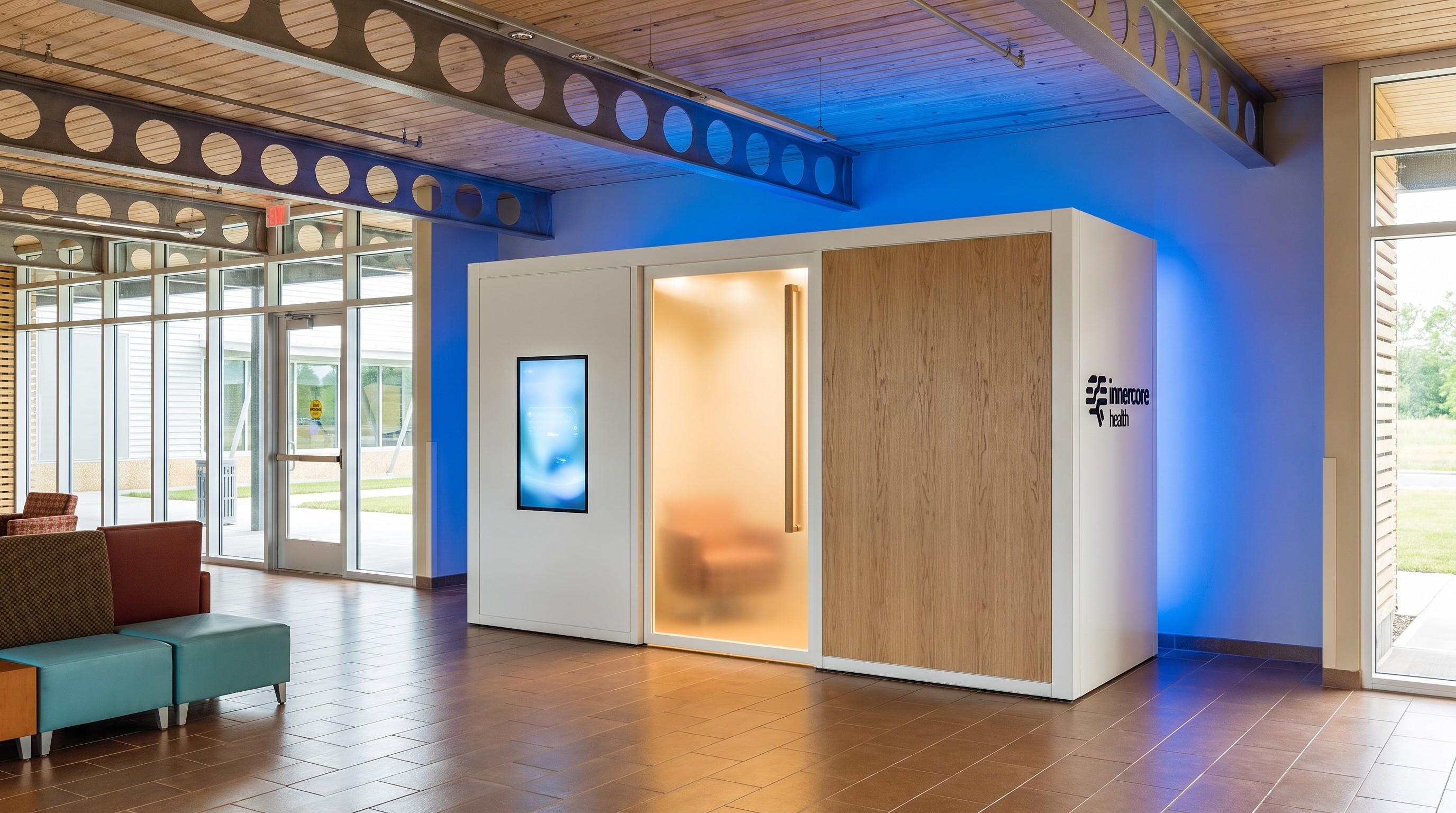
A comfortable reclined setup, roughly 40 to 55 minutes. Most people rest or sleep. Nothing to practice, focus on, or get right.
5 or so sessions
A short course, not a new daily habit
Typically 5 or so sessions across about 3 weeks. No app to open every morning, no streak to maintain.

What changes
Two weeks in. The small stuff stays small.
Same inbox, same deadlines, same commute. A delayed train doesn't spike into a full-body reaction. By evening, there's something left over, actual bandwidth, not just enough to survive until tomorrow.
- Small stressors staying small, instead of setting off a bigger reaction
- Better stress tolerance, so an ordinary bad day doesn't cost as much
- Energy left over at the end of the day, not just enough to get through it
- Feeling downregulated, not just distracted from the stress
Beyond one condition
Chronic stress rarely stays in one lane.
Who this tends to show up for.

Employers & Workforce Health
Unmanageable workloads and structural job demands are that vertical's own named primary stress load.
Explore

Healthcare Partnerships
Sustained clinical responsibility with no built-in recovery mechanism is a named driver for the healthcare workforce specifically.
Explore

Brain Health & Wellness
This Conditions page and that vertical describe the same underlying profile from two different entry points, symptom-first here, audience-first there.
Explore
Common Questions
Are you wondering?
A few things people ask before their first session.
I've already tried meditation, therapy, and supplements. Why would this be different?
Those all ask for effort, or a baseline calm that chronic stress itself erodes. This reads your own real-time brain activity and responds to it directly, no baseline calm required to start.
Do I have to change anything about my life or routine for this to work?
No. There's nothing to practice, no lifestyle change required as a prerequisite. The sessions are the intervention.
Is this just stress management with extra steps?
No. It reads and responds to your actual autonomic activity in real time, not a technique you perform on yourself.
Is this safe?
Yes. Non-invasive, no medication, no medical procedure. The sensors only listen; nothing is sent into the brain.
What does a session actually feel like?
Most people find it deeply restful. Many rest or sleep through it, similar to a quiet moment in a comfortable chair. Sensors on, earbuds in, nothing to practice or get right.
How long until I notice something?
Many people notice a shift by the second session, within a short, defined course of 5 or so sessions across about 3 weeks, not an open-ended commitment.
What does this cost, and is it covered by insurance?
Cost depends on the course that's right for you, or for organizations, on the partnership. We'll go over pricing, and whether insurance or a benefit plan can help, in your first conversation.
Start downregulating, for real this time.
Not another technique to practice. A short, private course built around what your nervous system needs to actually stand down.